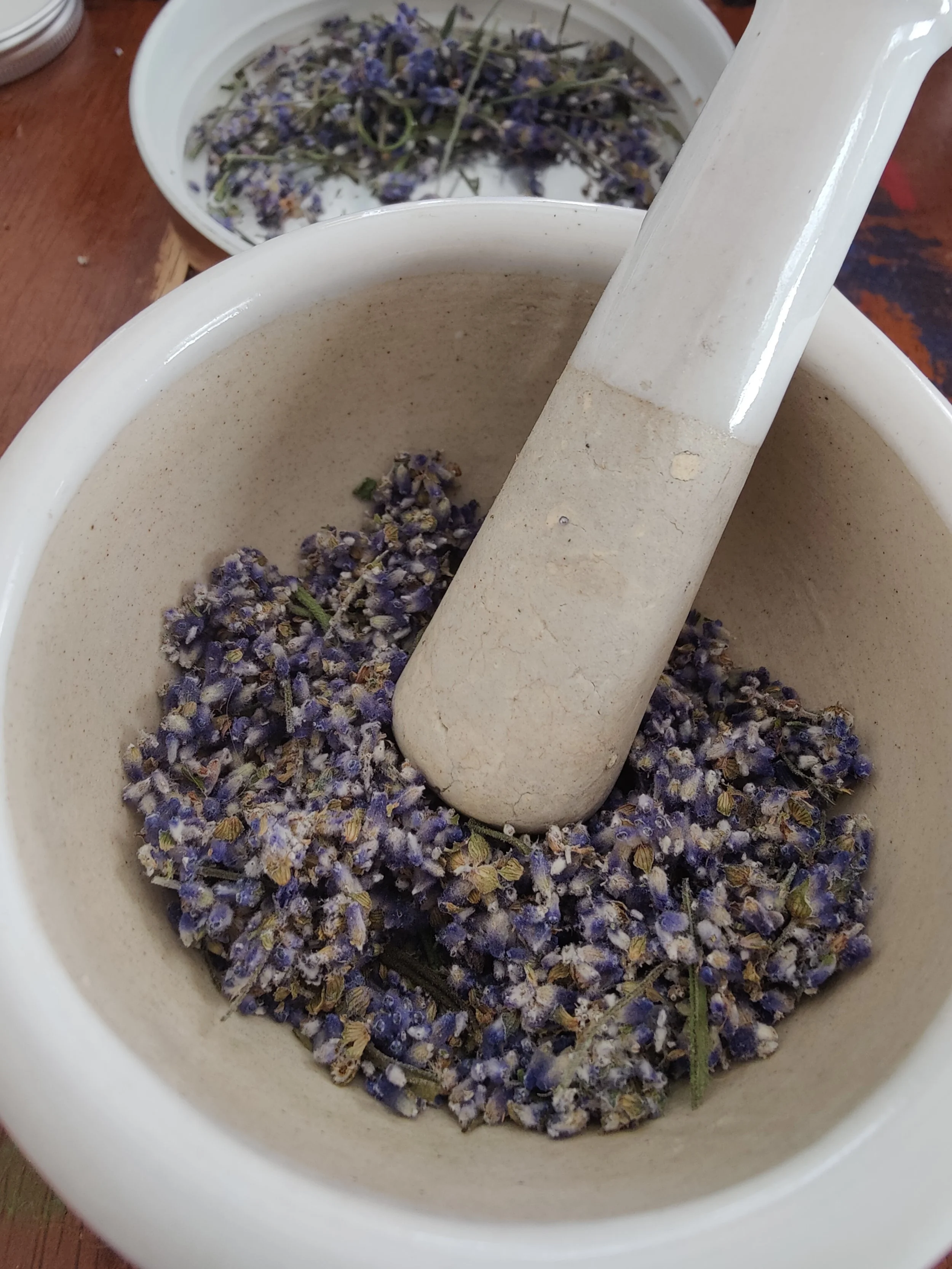
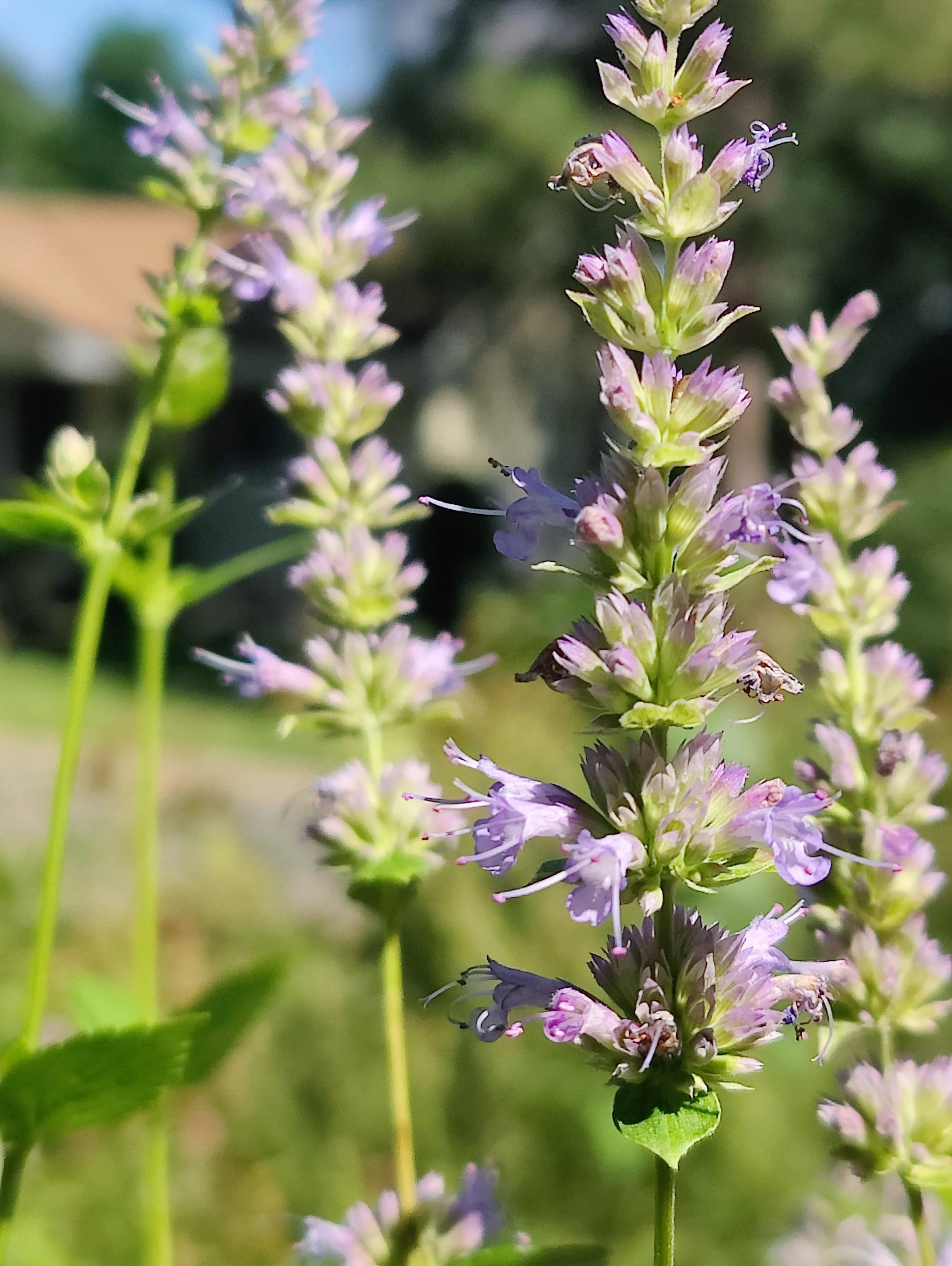
Anise Hyssop Oracle Card
:Anise Hyssop::.
Community
“Connected to each other, we are stronger.”
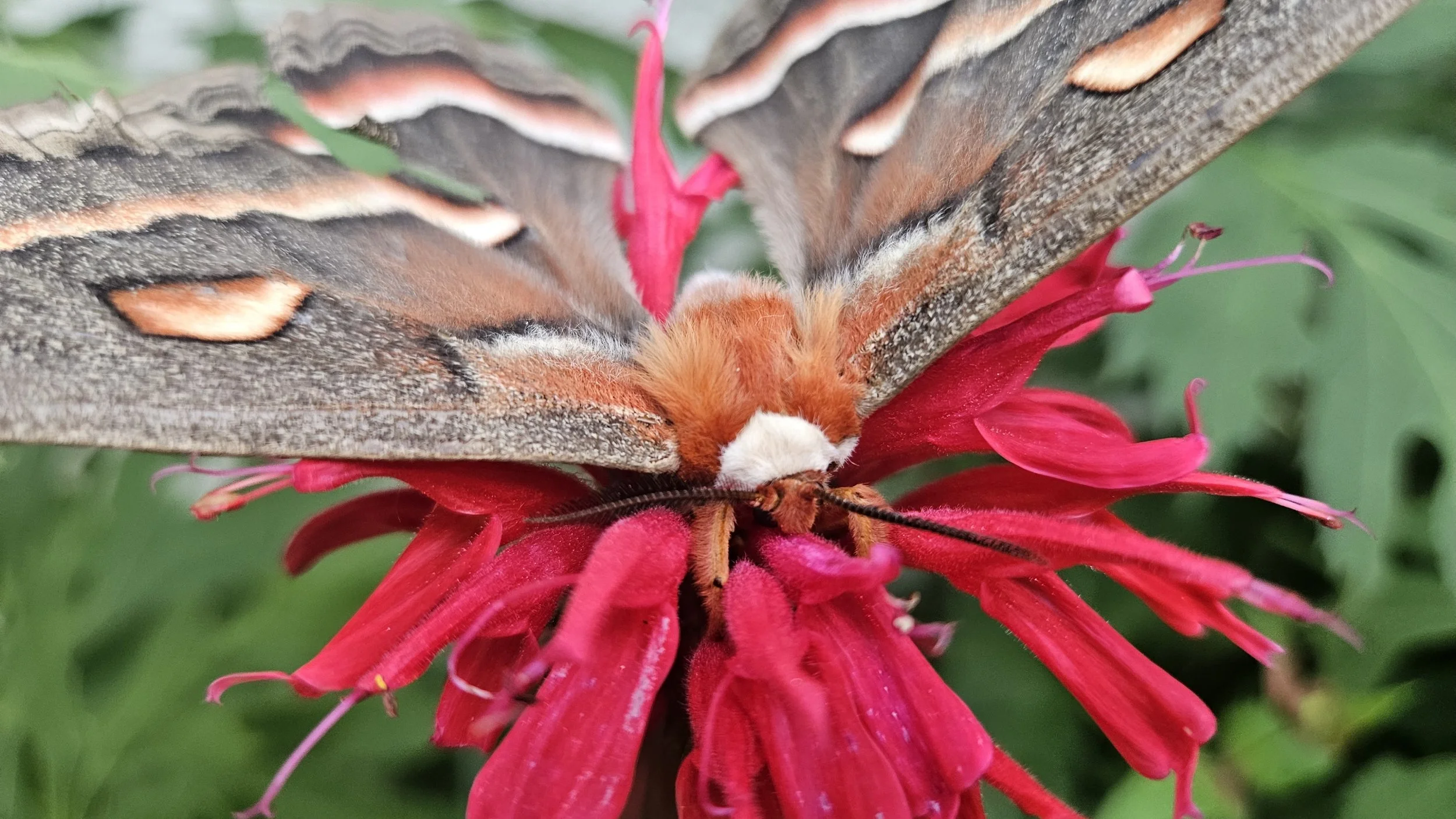
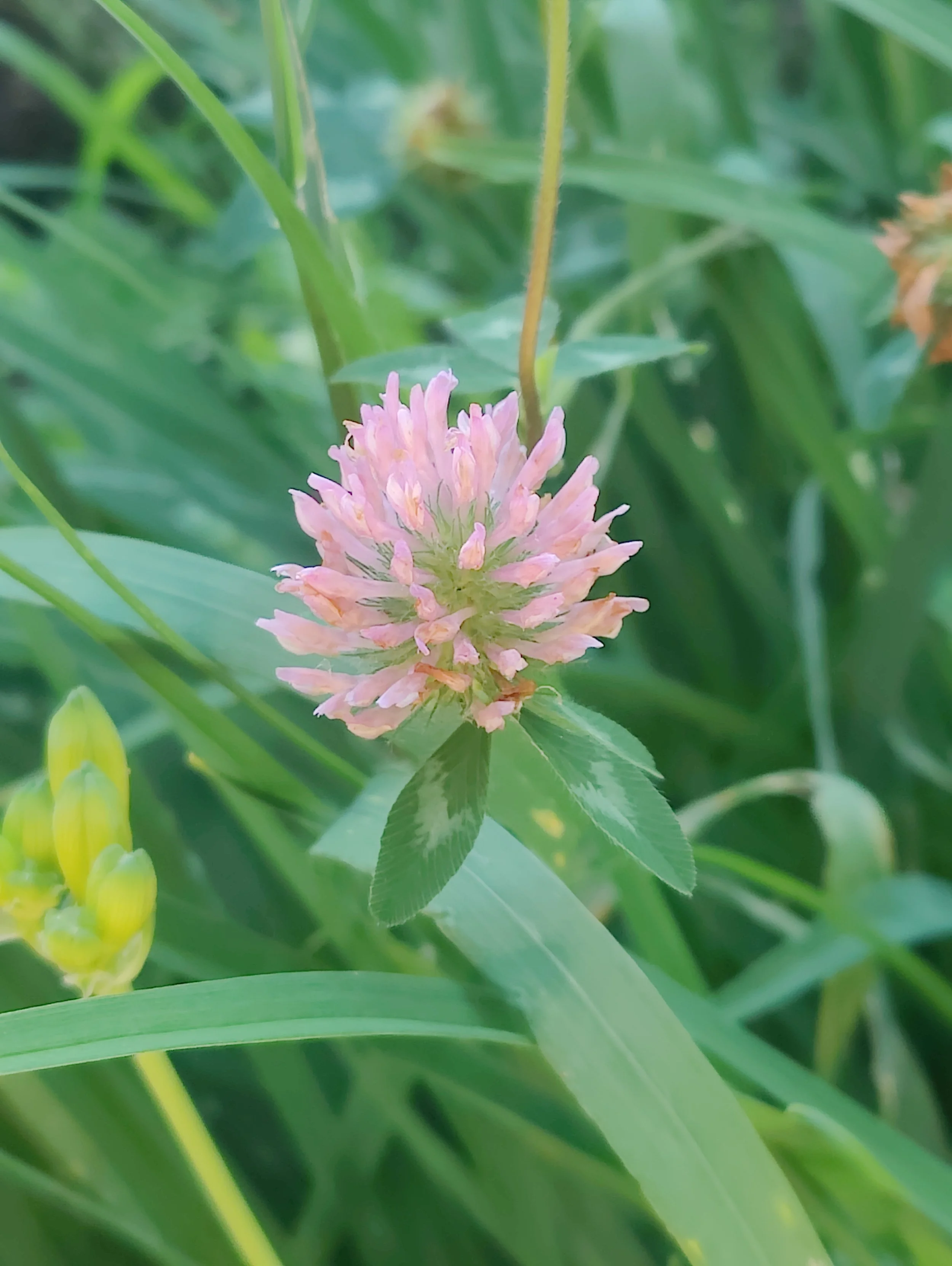
Knocking on a Door That Was Never Locked: A Confession About OCD, Whiteness, and the Sacred
Let me tell you of a kind of silence that happens right before I light a candle. My breath held- I scan. Is this mine to use? Did I read enough? Did I cite the right elder, credit the right lineage, did I do this right? Do I feel “right”? For most witches, that scan takes a second, maybe two, and then the hand moves to the match. For me, in some seasons, the scan never ends. It just kept circling, tighter and tighter, until the candle sat unlit on the altar for days while I read one more article, watched one more interview, hunted for one more thread of proof that I was enough and I did enough. Searching for the unobtainable feeling of “rightness.”
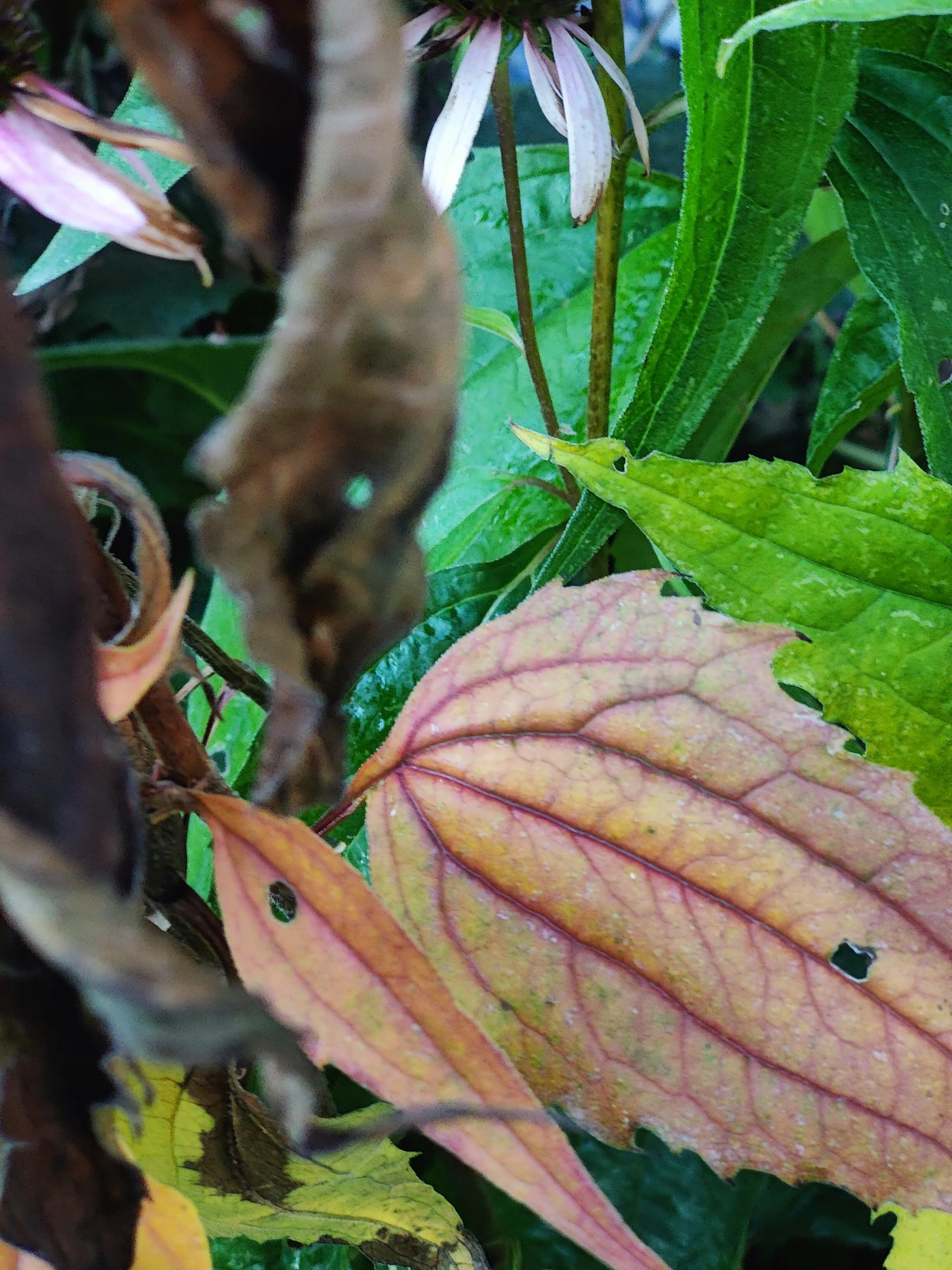
Love with Nowhere Left to Land: Witnessing Climate Grief
Every fallen leaf says the same thing, and every year I have to learn it again: death is not an ending. It is a turning.
We are living inside the death of the climate that cradled us — the steady seasons our ancestors planted by, prayed by, told time by. That is a hard sentence to write and a harder one to live with. But Nature has been teaching this lesson since long before we had words for it, and they are teaching it still, to anyone willing to walk out the door and pay attention.
Kneel beside any fallen log and you will find the whole curriculum. Fungi lacing through softened wood. Saplings rooted in the body of a nurse log, drinking from what came before. The sweet rot of leaf litter turning into the soil that will feed next spring. Nowhere in the forest is death treated as failure. This is the mechanism of renewal — the way an ecosystem makes room for what has not yet imagined. Even fire, devastating as it is, wakes seeds that cannot open without heat. The Land does not resist their own dying. And the longer I sit with that, the more I suspect our resistance to death causes us more suffering than the transformation itself.
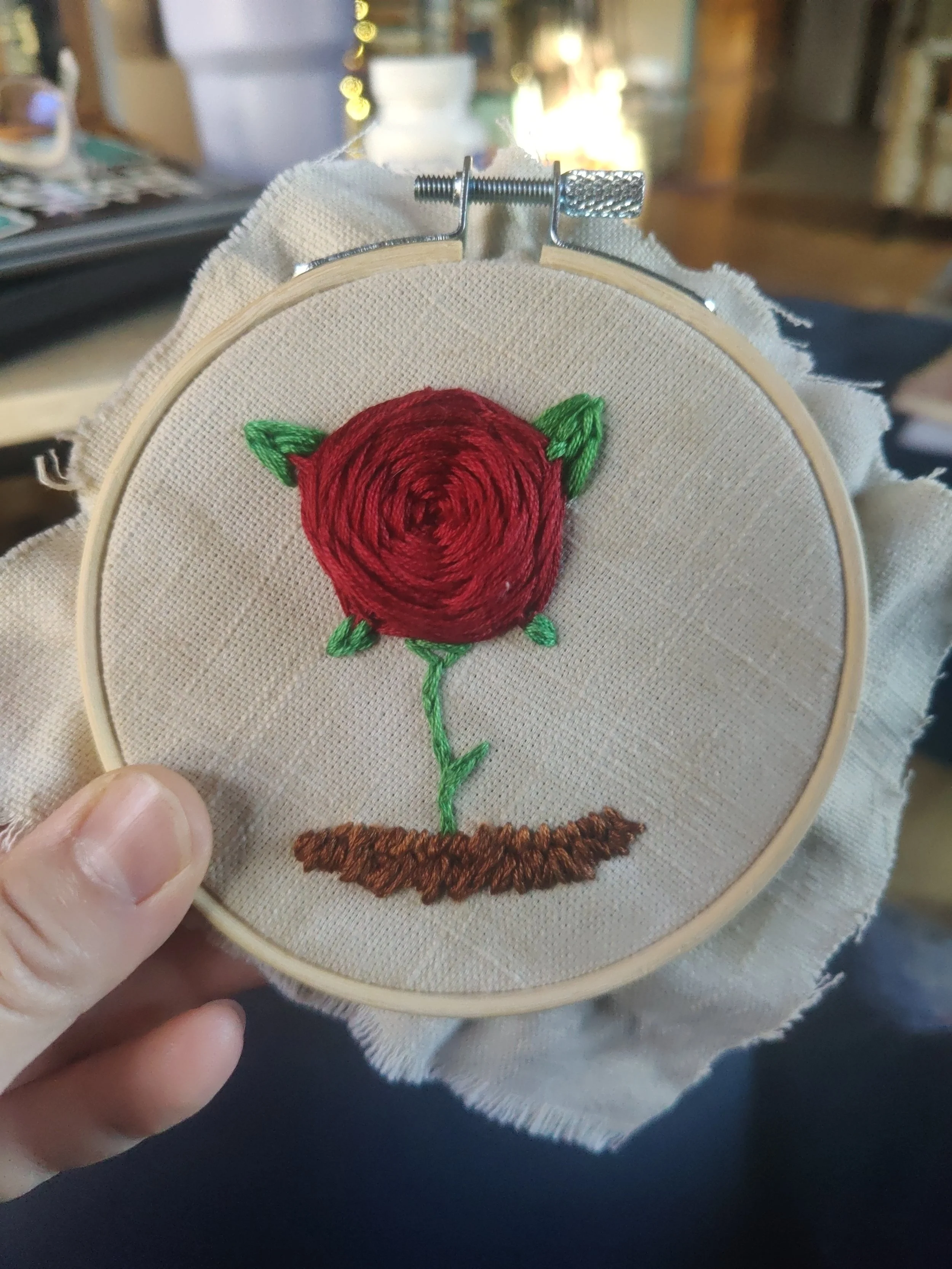
From Those Who Come From Keepers: A Small Rite For Things That Are Ready To Leave
Often have I felt the pull to not let something go — items I have loved a long while. I come from a line of collectors, tinkerers, antique dealers, peddlers, refurbishers, DIYers, rebuilders, and — dare I say — hoarders. Growing up with little new things on hand, it is hard to toss something out when you hear “I might need that someday,” or “someone I know might need that someday.” My folks’ house is a dusty museum of curiosities: three sets of crutches, an old yellow leather wheelchair, a variety of rims — some rusted, some chrome — parts for cars fifty years old and older, farm equipment from way, way back, a vintage cast iron and enamel stove, a velvet lavender fainting couch, and a big yellow wood box holding twine and a length of rope so large it looks like it came off a ship, tangled in among so many other tiny things.
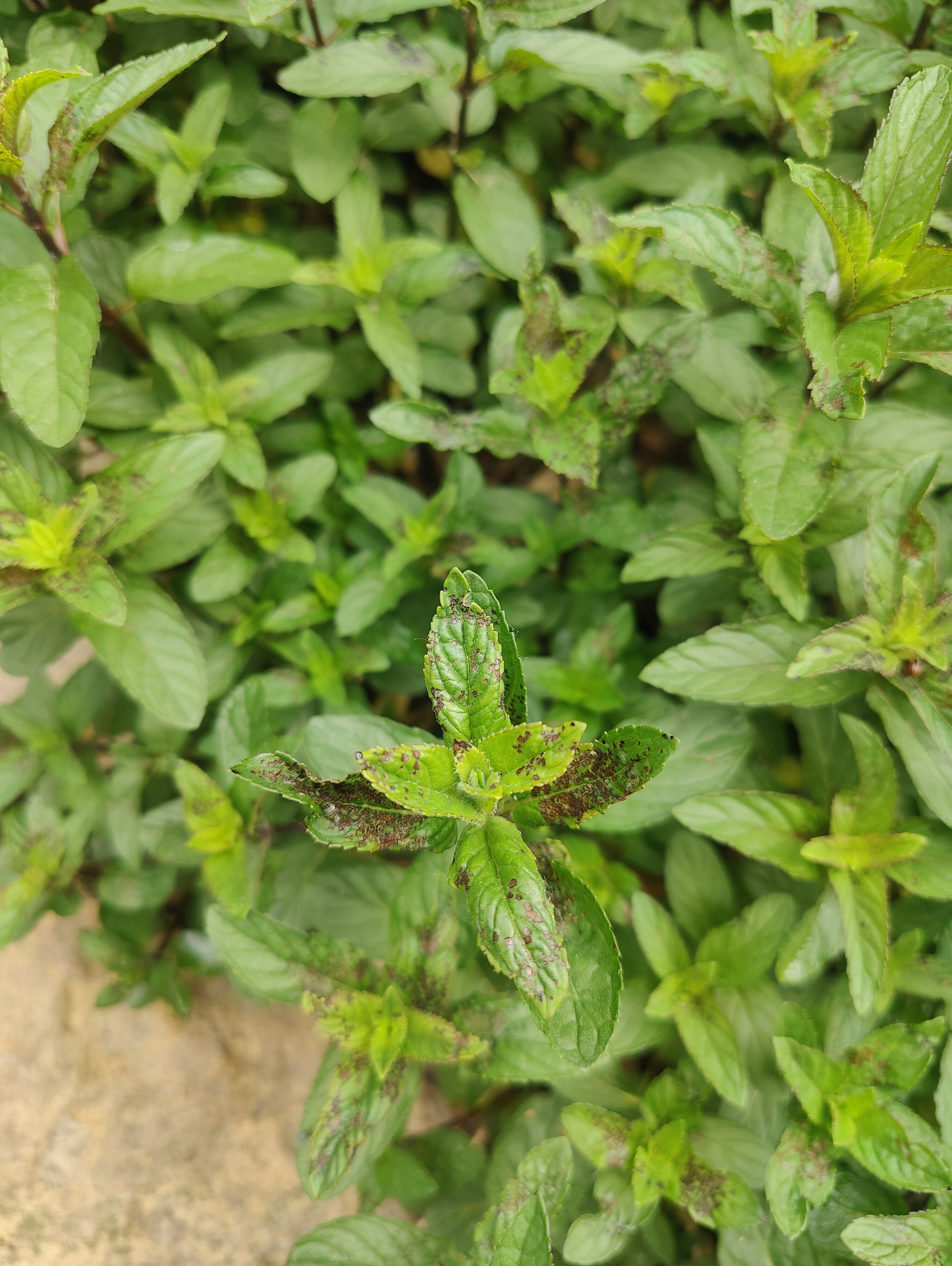
A Negotiation with the Uninvited: What OCD taught me about boundaries, bugs, belonging
Getting stuck is not the same as being lost. When the four-lined plant bug devastated my garden and my OCD locked me in place, the freeze turned out to be the beginning of a process — one that moved through grief, grounding, ritual, and genuine negotiation with the more-than-human world. This is about what it looks like to move from overwhelm into action that actually reflects who you are and what you believe.
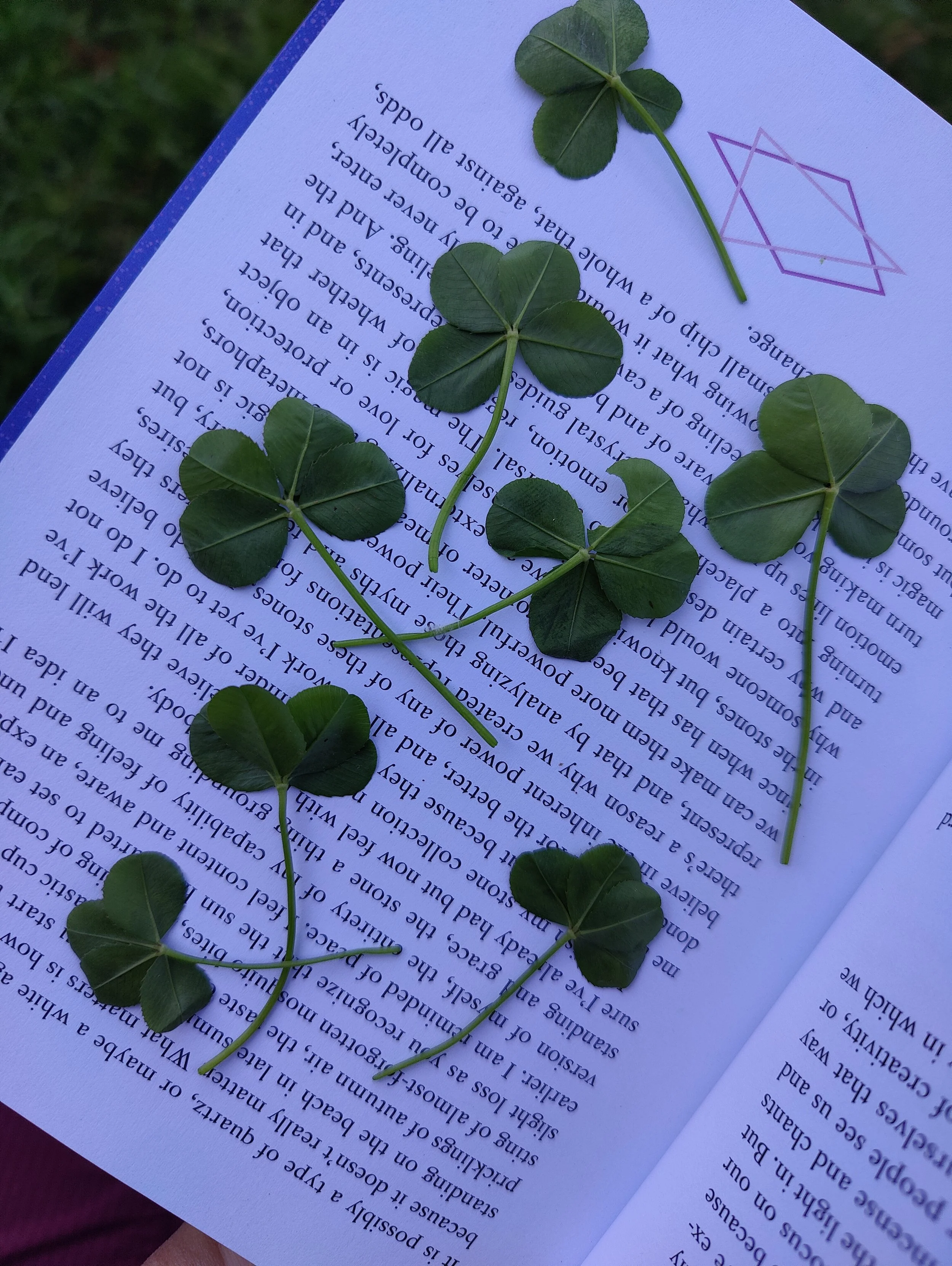
Witchcraft and the Neurally Complex Mind
“…and so the witch with OCD learns to ask: if I keep myself small, do I not feed fear? If I do not practice my craft — do not show up in my power, do not trust my own discernment, do not walk through the fire of exposure — am I not, in some quiet way, complying? Recovery is not only personal healing. It is a refusal. It is the radical act of taking up space in a world that has always had reasons to prefer you diminished.”
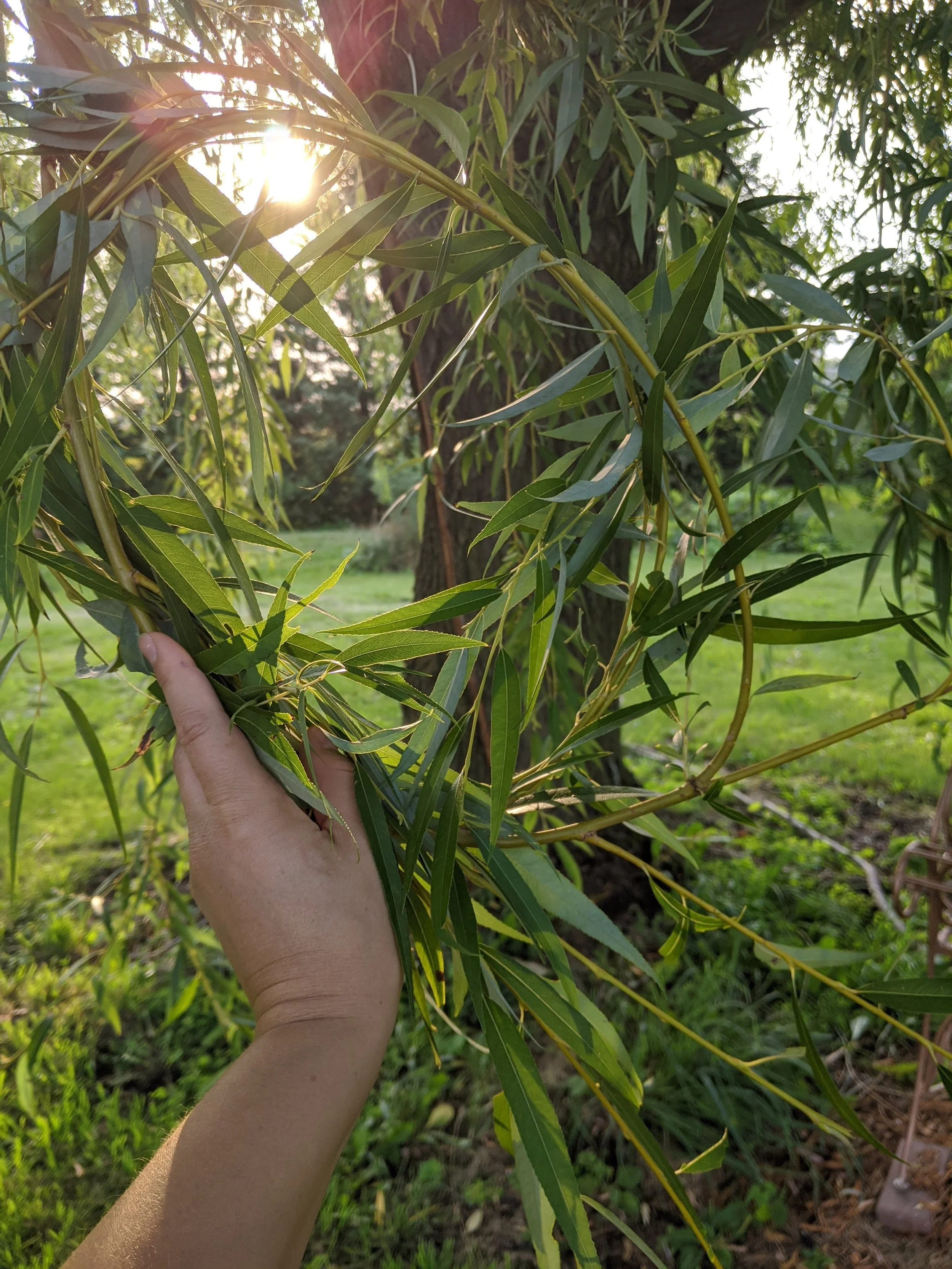
What the Willow Gives On grief, violation, and the stubborn generosity of Willow
“…This is what Willow teaches, again and again, even in the face of human carelessness: grief and propagation are not opposites. They are the same motion, seen from different ends of the season. The shredding is the gift — not because the harm was acceptable, but because Willow refuses to let harm have the final word. They root from almost any cutting, from a branch dragged to the river's edge, from the smallest slip of themselves given to wet ground. They are almost aggressively generous with their own continuation.”
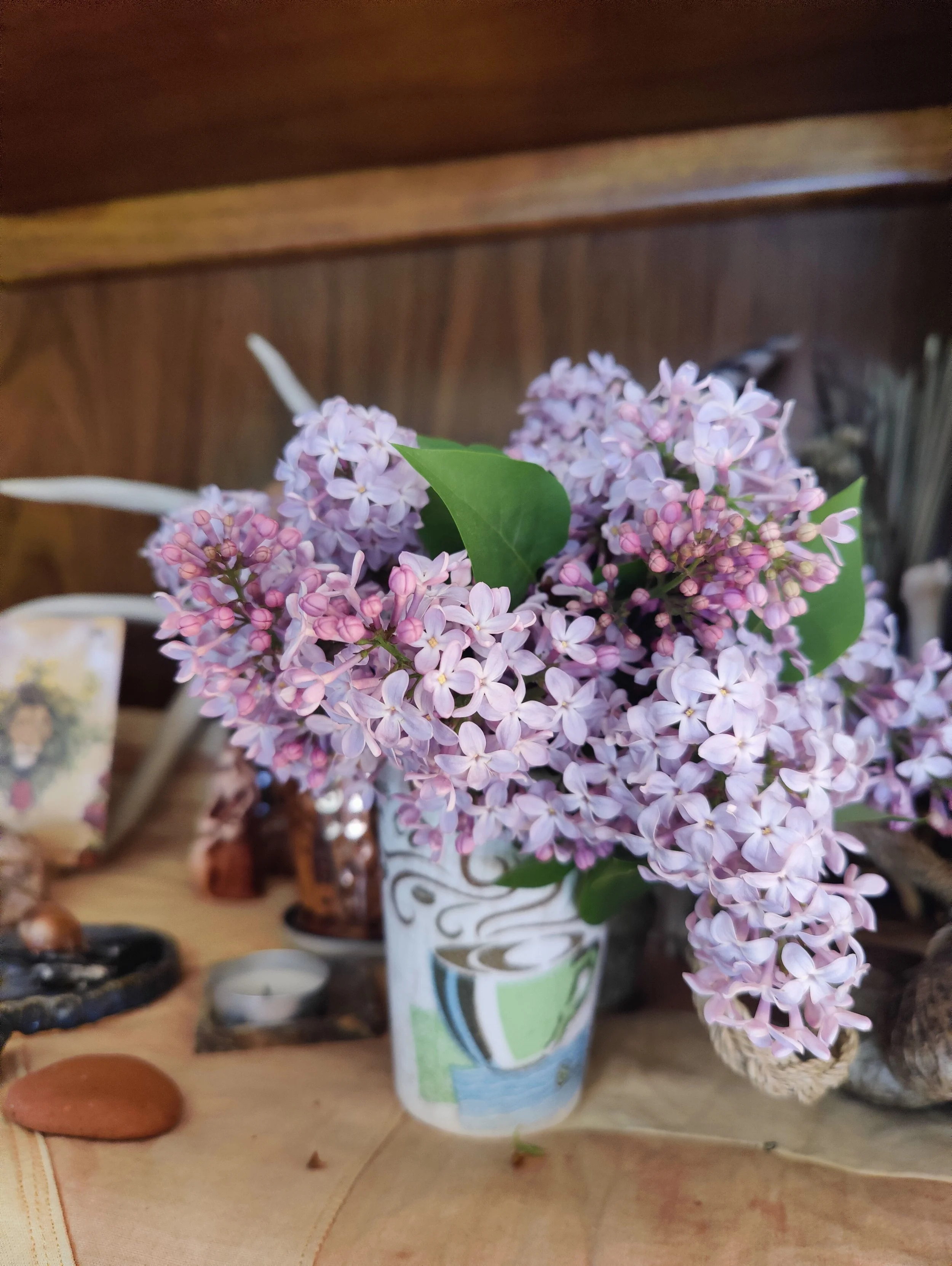
The Scent That Finds You First
Lilac doesn’t speak to us in concepts. They speak in the body — in the sudden arrest of breath when a warm breeze carries their scent, in the way time seems to briefly suspend. Before you’ve registered the plant with your eyes, your nervous system has already begun to respond. This is their medicine: immediate, somatic, undeniable.
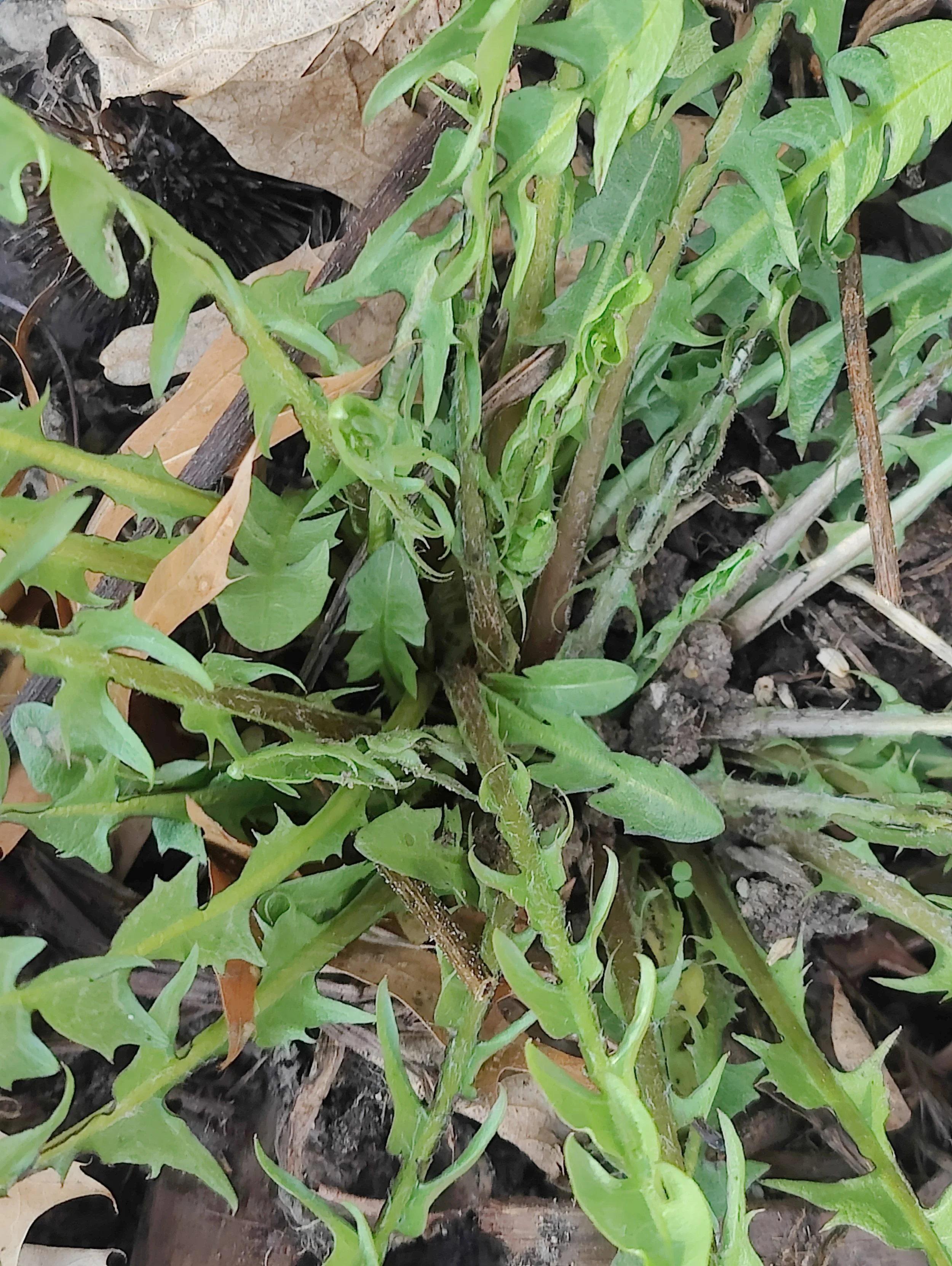
Dead Leaves, Still Held:On Marcescence and the Oak's Wisdom
The Oak who will not yet release their leaves is not broken. They are listening. They are waiting for a sign that it is safe to let go, safe to begin again, safe to unfurl into whatever comes next. Marcescence — that is what it is called, this tendency of some trees to hold their dead leaves through winter — though why some trees do this more than others, why this Oak more than the rest, is still a mystery that science only half explains and the tree keeps to themselves.
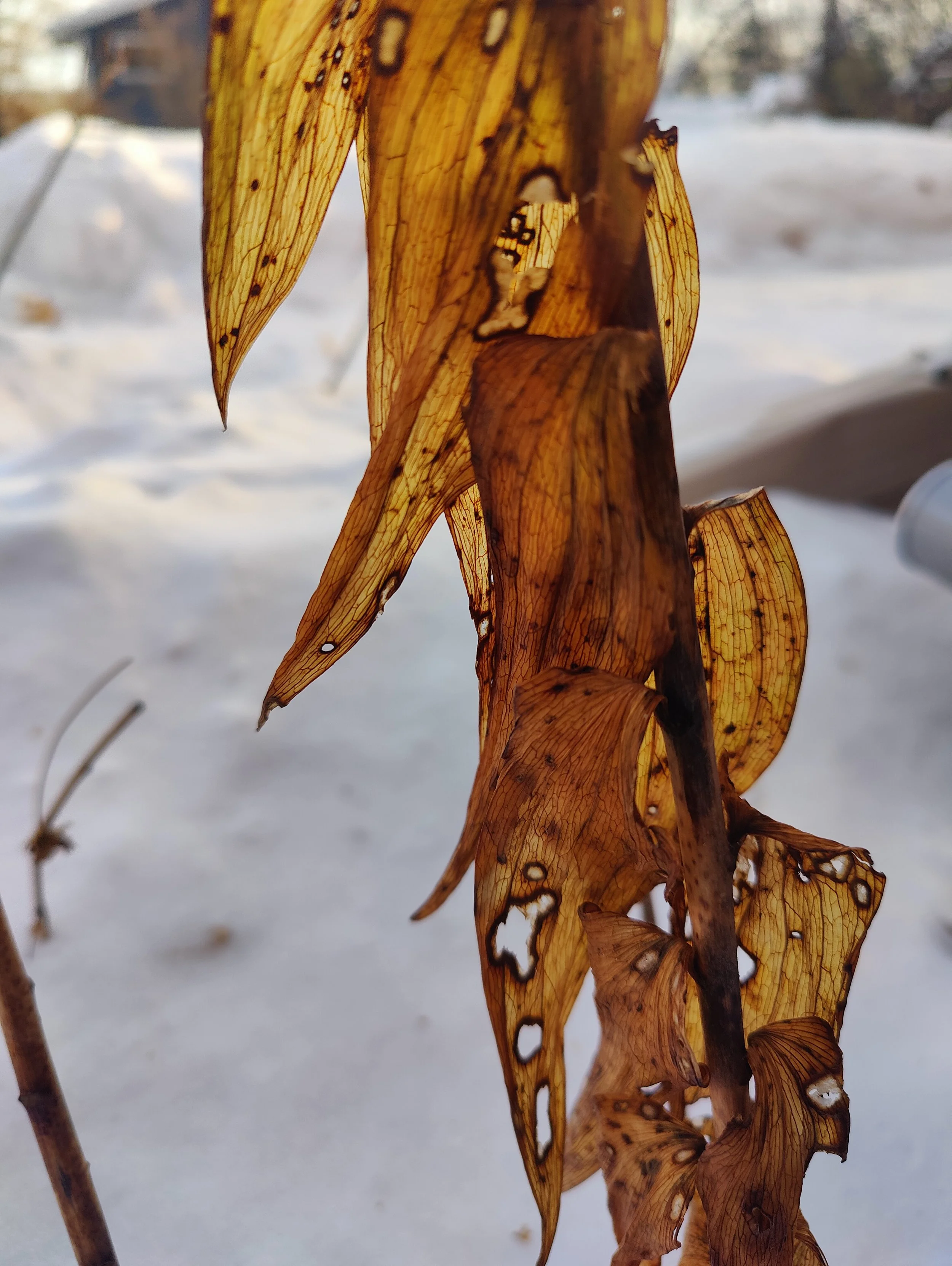
Ancestor Eaters:A musing on white detachment, deep belonging, and learning to love the land as family
White settler culture teaches us to relate to land as property — to be acquired, developed, extracted from, passed along. It does not teach us to belong to it. We are not shown how to notice that the cottonwood near the river dreams differently than the cottonwood on the hill. We are not given the tools to learn the specific grief-language of late autumn in this watershed, or the way the soil here smells after the first rain of May as though it has been waiting, specifically, for us to come home.
The Secret Room and the Unread Book: Listening Into Peace That Is Not Certainty
There is a particular kind of joy that lives in an unread book you love. It is not the joy of story, not yet. It is something more like potentiality — the sense of a door still unopened, a world that exists fully formed somewhere just beyond the page. I flip through slowly: a few French verses, translated tenderly into English. Illustrations of rural farm life, simple and earnest. Flowers and leaves surrounding the title. I read the reviews on the back, the small eulogies that strangers wrote for a book they loved.
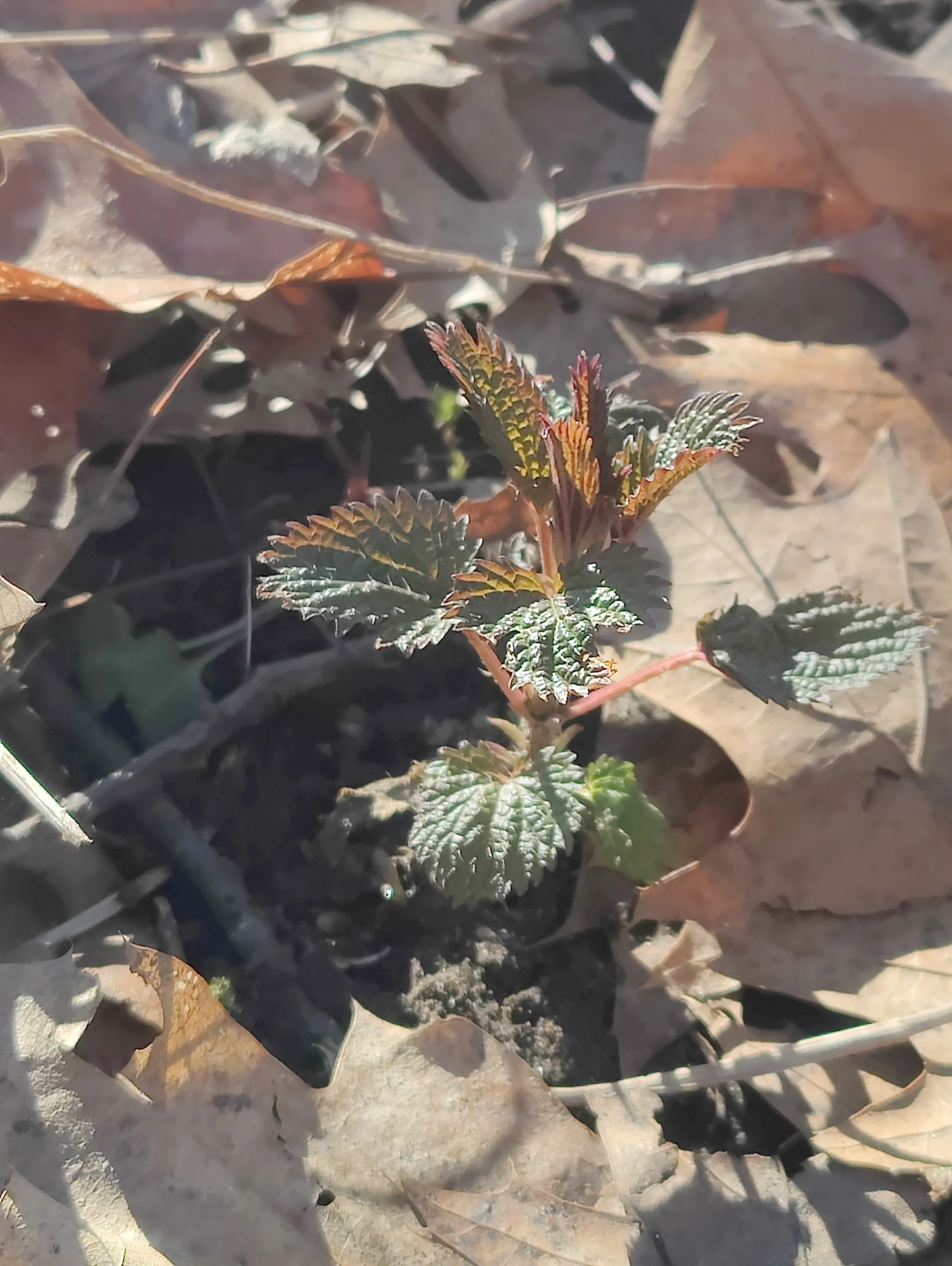
The Earth Remembers How: A letter for the turning season
The Earth is soft now in a way that it will not be again until late autumn. If you walk out to a place that has not been paved or compacted, you will feel it underfoot — a slight giving, a yielding, as though the ground is breathing out after a long held stillness. The soil is quite literally loosening. The freeze has released its grip, and the living networks are waking, and somewhere underground, in the dark and wet, root tips are pressing outward with a pressure so steady and quiet it could break stone.
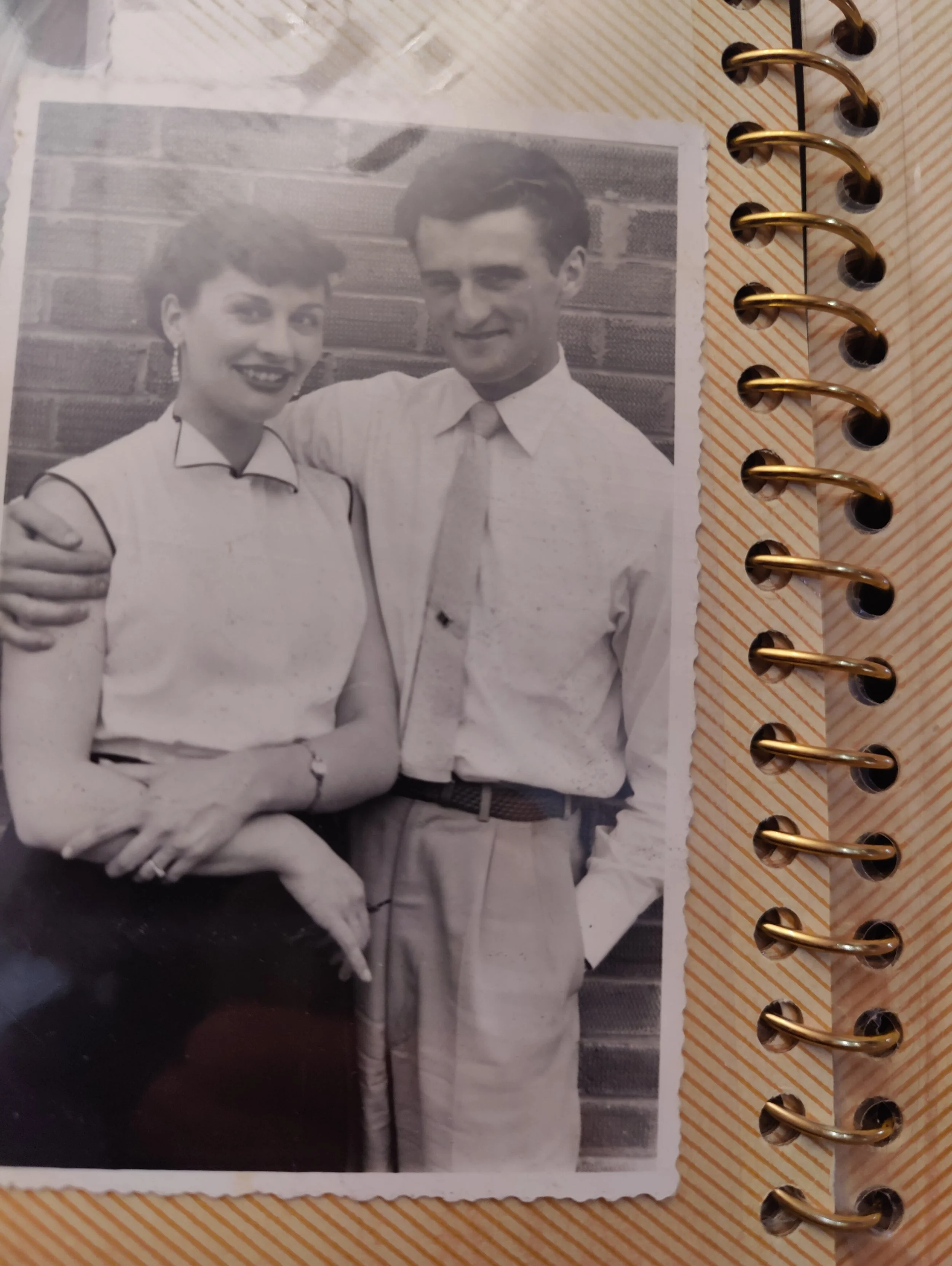
“Remember You Are English”
I’ve been sitting with questions about ancestry, whiteness, and the stories we inherit—the ones spoken aloud and the ones kept carefully hidden. What follows is a personal excavation of my grandmother’s life and the colonial legacy woven through our family history. It’s about loving someone deeply while also reckoning with the harm embedded in the world that shaped them. This piece explores the contradictions I carry: pride and shame, affection and accountability, the desire to honor memory while refusing to look away from truth. If you’re also grappling with what it means to inherit both love and violence, to untangle supremacy from belonging, I hope this resonates.
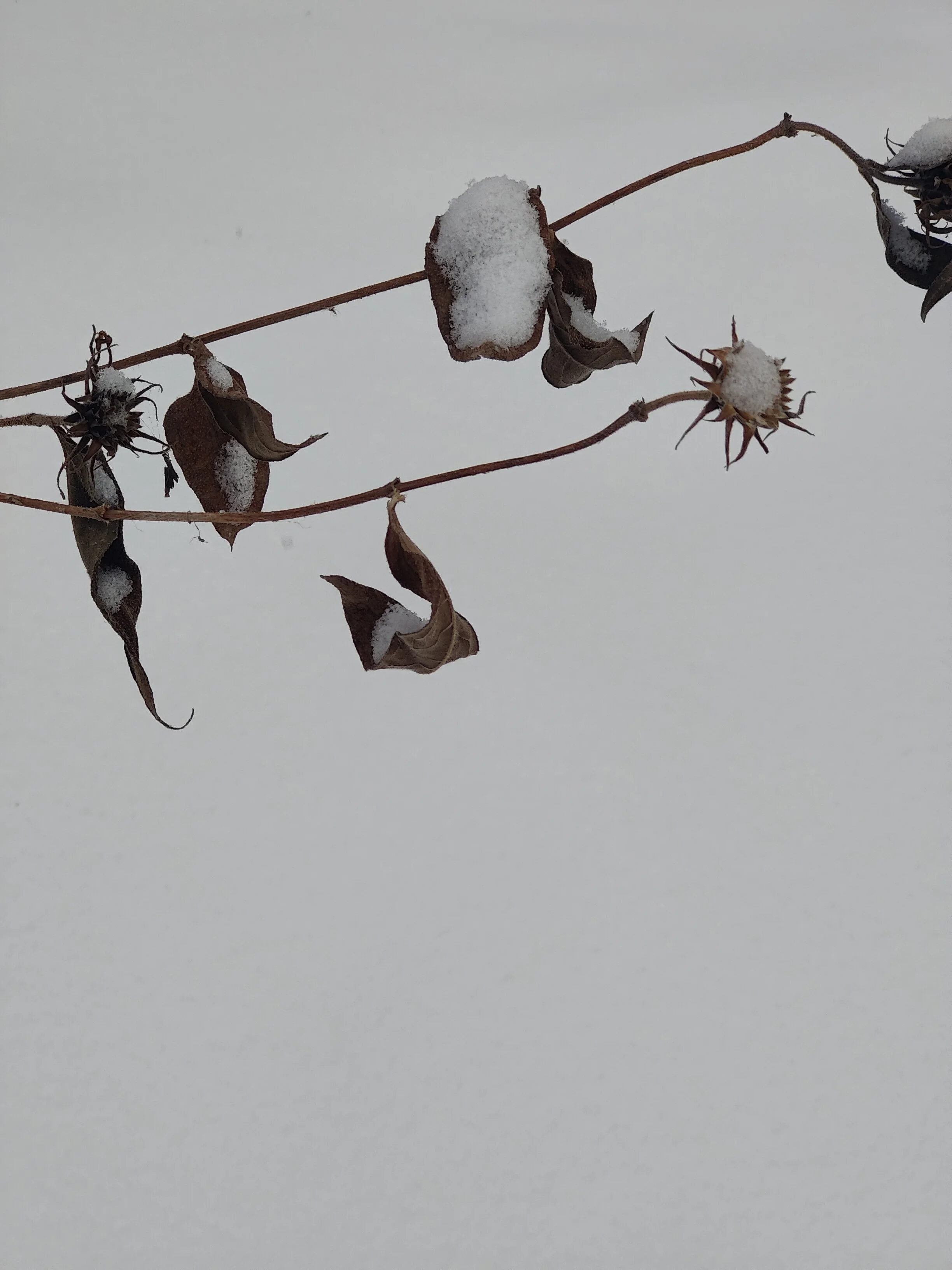
Reflections of Grief and Loss: Lessons from Winter's Blanket
Death isn't extinguishing but redistribution. The particular being we knew dissolves back into the greater consciousness flowing through all things. Ancestors remain truly present, physically—in land, plants, waters, wind, and spiritually through energy. The boundaries between living and dead are human constructions the more-than-human world doesn't recognize. What changes is the form of relationship, not the presence itself.
The Sacred Ordinary: Where Witchcraft and Mental Health Meet in Daily Practice
We've inherited a strange fiction—that our mental health and spiritual health occupy different rooms, that the psyche and the soul don't share the same address. But anyone who's ever felt their anxiety lift after time with their plant allies, or noticed how spiritual practices shift their nervous system, knows this division is artificial.
Your mental health is not separate from your spiritual health. They are aspects of your wholeness, threads in the same fabric. When you're spiritually disconnected—cut off from meaning, from the other-than-human world, from your sense of belonging in the web of life—your mental health suffers. When your nervous system is dysregulated, when you're carrying unmetabolized grief or trauma, your spiritual practices can feel hollow or inaccessible.